First Time at a Yoga Retreat? Here's What to Expect (and How to Prepare)
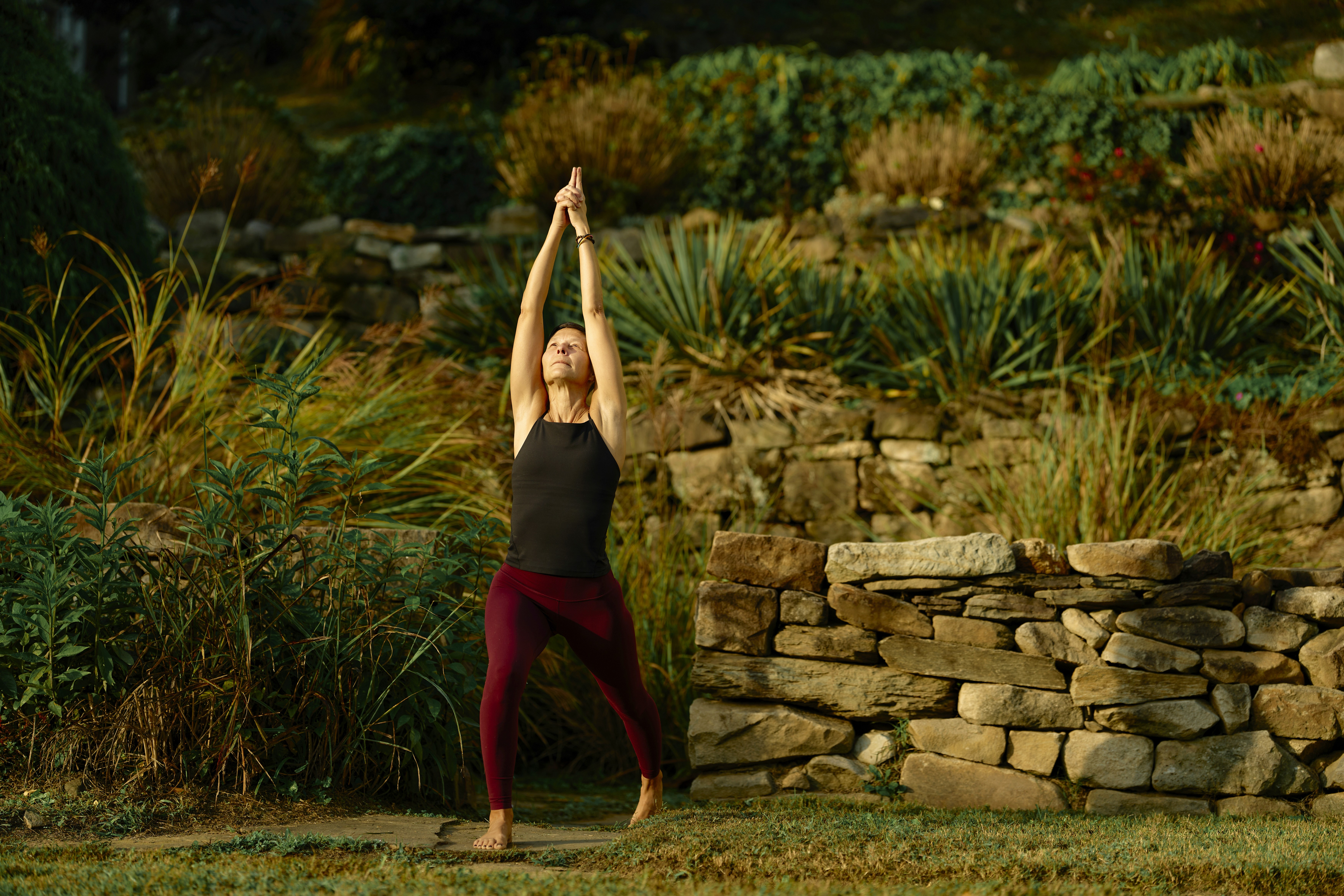
A yoga retreat is one of those things that sounds wonderful in theory and slightly terrifying in practice. You've signed up (or you're thinking about it), and now your brain is running through every unknown. What's the schedule like? Will you be the least flexible person there? Do you have to meditate for hours? Is there Wi-Fi?
Take a breath. None of this is as intense as it looks from the outside.
Here's what actually happens at a yoga retreat, what to bring, and how to set yourself up to enjoy it instead of spending the first two days adjusting.
What a yoga retreat actually is
A retreat is a few days of yoga, rest, and being somewhere quieter than your regular life. That's the short version.
The longer version: most retreats run three to seven days, take place somewhere scenic (a mountain lodge, a coastal villa, a working farm, a wellness center), and include two yoga sessions a day, meals, and unstructured time. Some retreats add workshops, hikes, journaling, sound baths, or excursions. Others keep the schedule loose on purpose so you have room to actually rest.
The format varies a lot, which is why reading the itinerary before you book matters more than the location does.
A typical day on retreat
No two retreats are identical, but most days follow a similar shape:
Morning. A longer, more active yoga practice. Usually before breakfast, often around 7 or 8 AM. This is where you build heat, move, and wake up.
Late morning to afternoon. Breakfast, then free time. Some retreats schedule workshops or excursions here. Others leave it open for naps, reading, hiking, or doing nothing.
Late afternoon. A second yoga session. This one is usually slower, restorative, or yin. The goal is to wind down, not work out.
Evening. Dinner, then optional programming like meditation, a fire circle, a kirtan, or just quiet. Most retreats are in bed early.
You don't have to attend everything. If you need to skip a session and nap, skip it.
What the yoga itself is like
You don't need to be advanced. Most retreats explicitly welcome beginners, and good teachers offer modifications for every pose. If you can do a basic class at a studio or follow along with a video at home, you can do a retreat.
That said, the volume is higher than your usual practice. Two sessions a day for several days adds up, even when one is gentle. Your body will feel it by day three. This is normal, and it's part of what the retreat is doing.
If you have an injury or a condition, tell the lead teacher before the retreat starts. Not in passing. In an actual email, with details. They'll plan around it.
What's usually included (and what isn't)
Almost always included:
Lodging
All meals (usually vegetarian or mostly plant-based)
All yoga and meditation sessions
Use of the venue and grounds
Sometimes included:
Airport transfers
Workshops, sound healing, or excursions
A welcome gift or take-home items
Almost never included:
Flights
Travel insurance
Spa treatments or massages (these are usually add-ons)
Alcohol
Read the inclusions list carefully before booking. If something matters to you (private room, dietary needs, transport from the airport), confirm it in writing.
How to prepare in the weeks before
Start moving a little more. If your current practice is one class a week, add a second. You don't need to train for a retreat, but a body that's been still for months will protest more than one that's already in motion.
Sort your dietary needs in advance. Tell the retreat host about allergies, intolerances, or preferences when you register, not when you arrive. Most retreats are happy to accommodate, but they need notice.
Decide on your phone situation. Many retreats are in places with spotty service, and some build phone-free time into the schedule. Decide ahead of time whether you want to stay reachable, set an auto-responder, or go fully offline. Tell the people who'd worry.
Pack the night before, not the morning of. Travel days before retreats are stressful enough without lost socks.
What to pack
A short list of what most people actually use:
2-3 sets of yoga clothes (you'll re-wear them)
A warm layer for early mornings and evenings
Comfortable clothes for non-yoga hours
Slip-on shoes
A water bottle
Sunscreen, even in winter
A journal and a pen
A book
Any supplements or medications, with extras
A small bag for laundry
What you can usually leave at home: your mat (most venues provide them, but ask), blocks and props (same), workout clothes that aren't yoga-specific, anything formal, your laptop unless you genuinely need it.
What to expect emotionally
This is the part nobody warns you about.
A few days of slower mornings, real food, and stillness will surface things. Most people cry at least once on retreat. Most people sleep harder than they have in months. Some people get a little restless on day two, then settle in.
If you've been running at full speed for a long time, the first 48 hours can feel strange. Your body is adjusting to not being on alert. This is the retreat working, not failing.
Let it.
A few common worries, addressed
"I won't know anyone." Most people arrive alone. By day two, you'll know everyone's name. By day four, you'll have inside jokes.
"I'm not flexible enough." Flexibility isn't a prerequisite for yoga, and it's definitely not a prerequisite for retreat. Showing up is.
"I won't be able to sit with myself for that long." You don't have to. Bring a book. Take a walk. Talk to people. The point is not enforced solitude, it's space.
"What if I don't like it?" Then you'll have learned something useful, and you'll have spent a few days in a beautiful place either way.
After the retreat
The first week back is the real test. Your body feels different, your sleep is better, and your normal life will try to pull you right back into the speed you left at. Some of what you brought home will stick, and some won't.
The retreat isn't supposed to fix everything. It's supposed to remind you what slower feels like, so you remember it's available.
Ready to plan your first one?
Yoga Nurtures hosts retreats designed for first-timers and seasoned practitioners alike, with small group sizes, beginner-friendly instruction, and itineraries built around real rest.
If you've been waiting for a sign, this is one.